If you ask people what socialisation means, someone will tell you it’s meeting people and dogs. Someone else will say it’s going to puppy class or getting used to things. Those are all part of helping your puppy get along in our relatively bizarre human world.
At Treat to Train, we want a puppy to go into a new situation, look around and make a decision with confidence. Can they take a moment to see what’s happening? Can they choose to investigate or move away? You’re looking for that little puppy fist pump: “Yes, I win! I know how to handle this.”
Why the early weeks matter
Socialisation starts before your puppy comes home. In the first three months, puppies are especially receptive to learning about their surroundings. Gentle early experiences give them a chance to get comfortable with things they’ll encounter throughout life. Keep offering those experiences as they grow, at a pace that suits them. A puppy who knows the children or dogs they live with is already learning something useful. Over time, give them chances to observe unfamiliar children and dogs in other settings too. They can do plenty of that learning from a comfortable distance.
Start with one thing at a time. Let your puppy explore a rubber mat in the kitchen, watch someone open an umbrella across the garden, or listen to the vacuum from another room. Keep it brief and leave time for sniffing, play and naps. If your puppy has had enough after a minute, that’s a good place to finish.
When your puppy seems more worried than usual
Your puppy might happily walk past the pot plant one day and hang back the next. If that happens, give them more room. You might cross to the other side of the driveway and let them watch from there, or go back inside and try another day. Keep offering easy, familiar experiences and use your puppy’s body language to decide how much they’re ready for.
You may hear this extra sensitivity described as a fear period. Our advice is to take your puppy’s reaction seriously. The timing can vary, so let the puppy in front of you guide the session. If a gate slams and your puppy startles, pause and see what they do next. If they go back to sniffing, give them time to carry on. If they come over for reassurance, you can sit with them and offer gentle contact if they seek it. If they’re still worried, help them move somewhere quieter.
Three skills to practise at home
Hand target. Offer an empty palm close to your puppy. When they touch it with their nose, say “yes” and reward. This gives you a familiar way to invite them to move with you.
Voluntary check-in. Put a few treats on the floor in a quiet room. Once your puppy finishes, wait. Let them check for crumbs and have a sniff. Eventually they might think, “Oh, hey, there’s my person.” When they turn towards you, say “yes” and reward. A glance towards your shoes or a little head turn counts.
Recall. Start a few steps away in a quiet room. Call your puppy once and reward them when they reach you. Sometimes let them go straight back to what they were doing so coming to you can be part of the fun.
Let your puppy choose how close to get
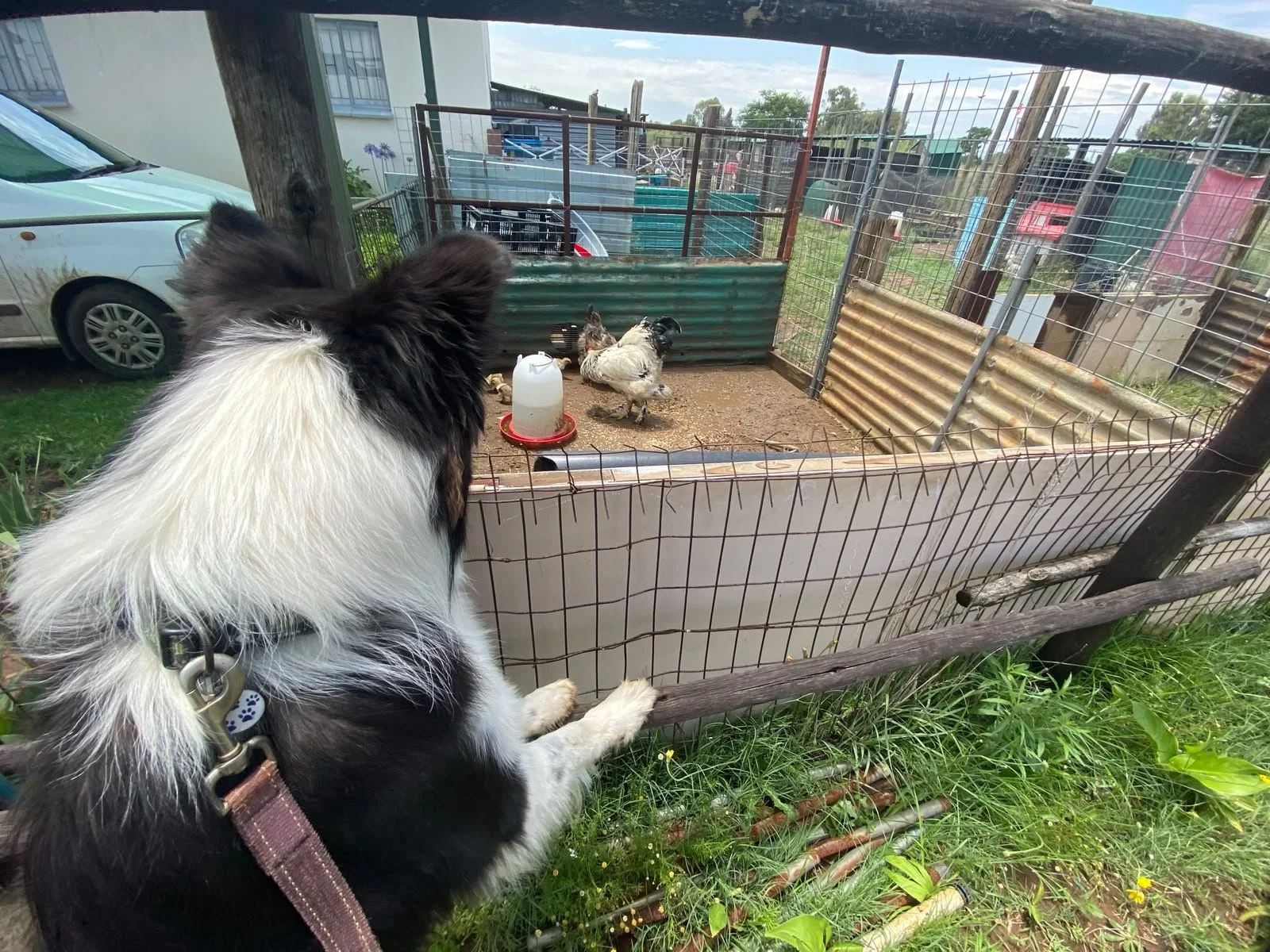
Give your puppy a few relaxed opportunities to see different people over time. Think about what changes from person to person, such as a wide-brimmed hat, a deep voice, a walking stick or the quick movements of a child. Watching comfortably from a distance counts. Judge the experience by how your puppy feels rather than how many people they meet.
If someone wants to say hello, ask them to stand or sit slightly sideways and give your puppy space. Your puppy might walk over for a sniff, hang back or wander off. Even a puppy who comes over for a sniff may prefer a little space before being touched. If they lean away, turn their head, freeze or try to leave, pause and give them room.
A predictable greeting gives your puppy time to decide what they’re comfortable with. Here’s what you can ask visitors to do.
Ask you first. If it’s a good time, the visitor can turn slightly sideways and wait without reaching.
Let your puppy approach. If they stay back, give them space. If they come over, let them sniff first.
Pet briefly, then pause. If your puppy is relaxed and seeks contact, try a gentle stroke on the shoulder, then take your hand away. If they lean back in or nudge your hand, you can offer another stroke. If they go still, turn away or leave, give them a break.
Picture a 14-foot dinosaur puppet at a craft fair. People were looking down at the tables as they walked. They got within arm’s reach, looked up and suddenly there was a dinosaur. A trail of treats can do much the same thing to your puppy. They follow the food, run out of treats, look up and realise they’re right next to the thing they were worried about. You can reward them where they’re comfortable and let them decide whether to take another step.
Practise watching people and dogs go past without a greeting, too. Reward any voluntary check-in along the way.
For an easy outing, try trainer Kathy Sdao’s idea of a “take-out meal”. Take some of your puppy’s usual food to a quiet spot your vet has cleared for them, let them watch the world at a comfortable distance, then head home. If your puppy expects to greet every dog they see, passing one can be frustrating. Outings like this give them practice doing something else in the presence of dogs and people.
What if an encounter gets too much?
Say someone reaches for your puppy after you’ve asked them to wait, or an excited dog rushes over. Give your puppy space early. Step to the side or turn away together before the lead gets tight. A tight lead can make it harder for your puppy to move away when they need room.
If your puppy already knows a recall or a hand target (touching their nose to your palm), you can use it to guide them away and reward them once they’re with you. Practise the hand target at home first, then try it somewhere quiet. Around a stranger, offer your own hand at a distance your puppy is comfortable with. They can choose to touch it or move away.
If your puppy is too overwhelmed to respond, help them leave straight away. Ask the person to step back or the other handler to call their dog, and move to a quieter spot. You want your puppy to learn that walking away is always an option.
Give your puppy time to explore
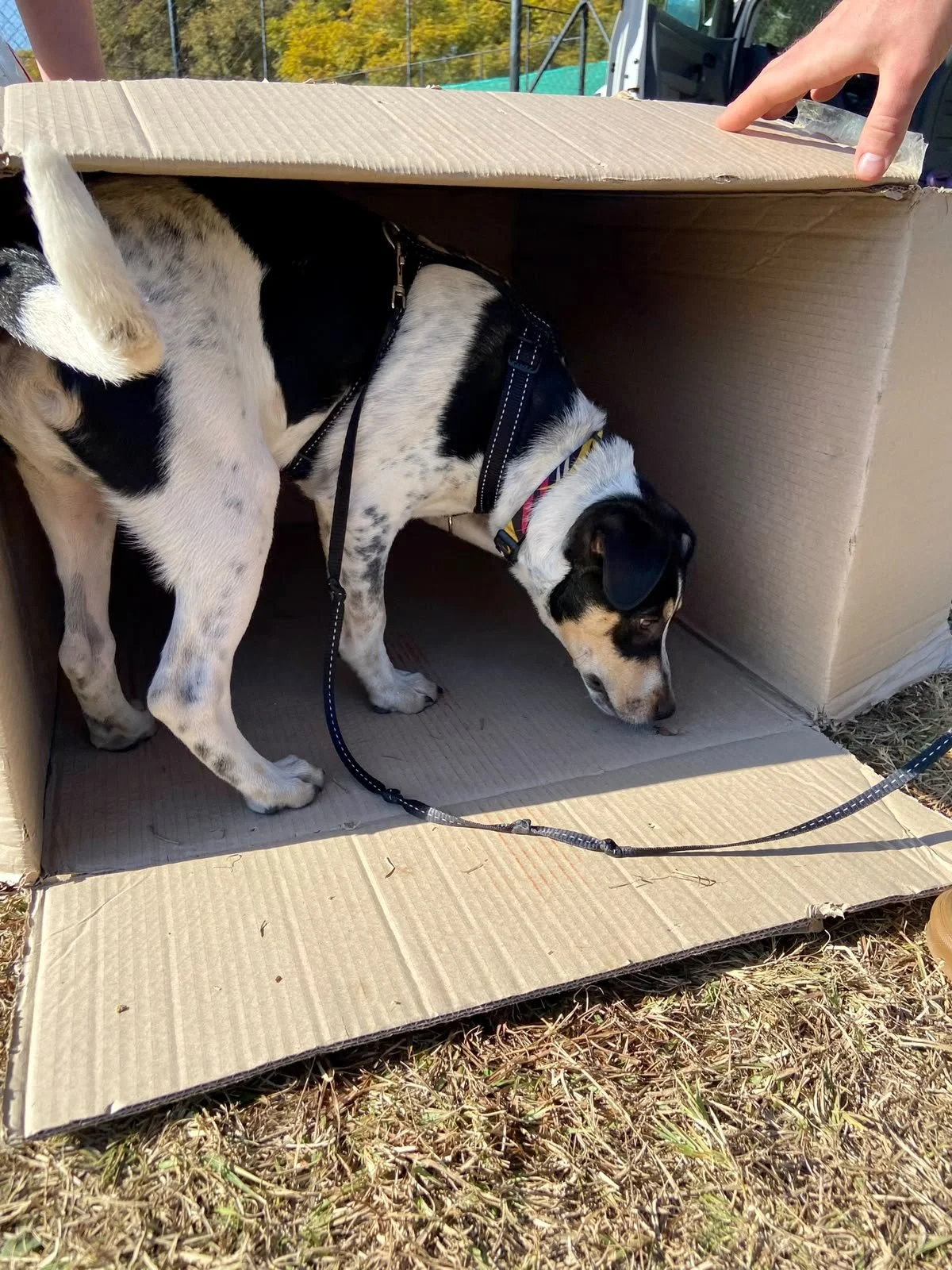
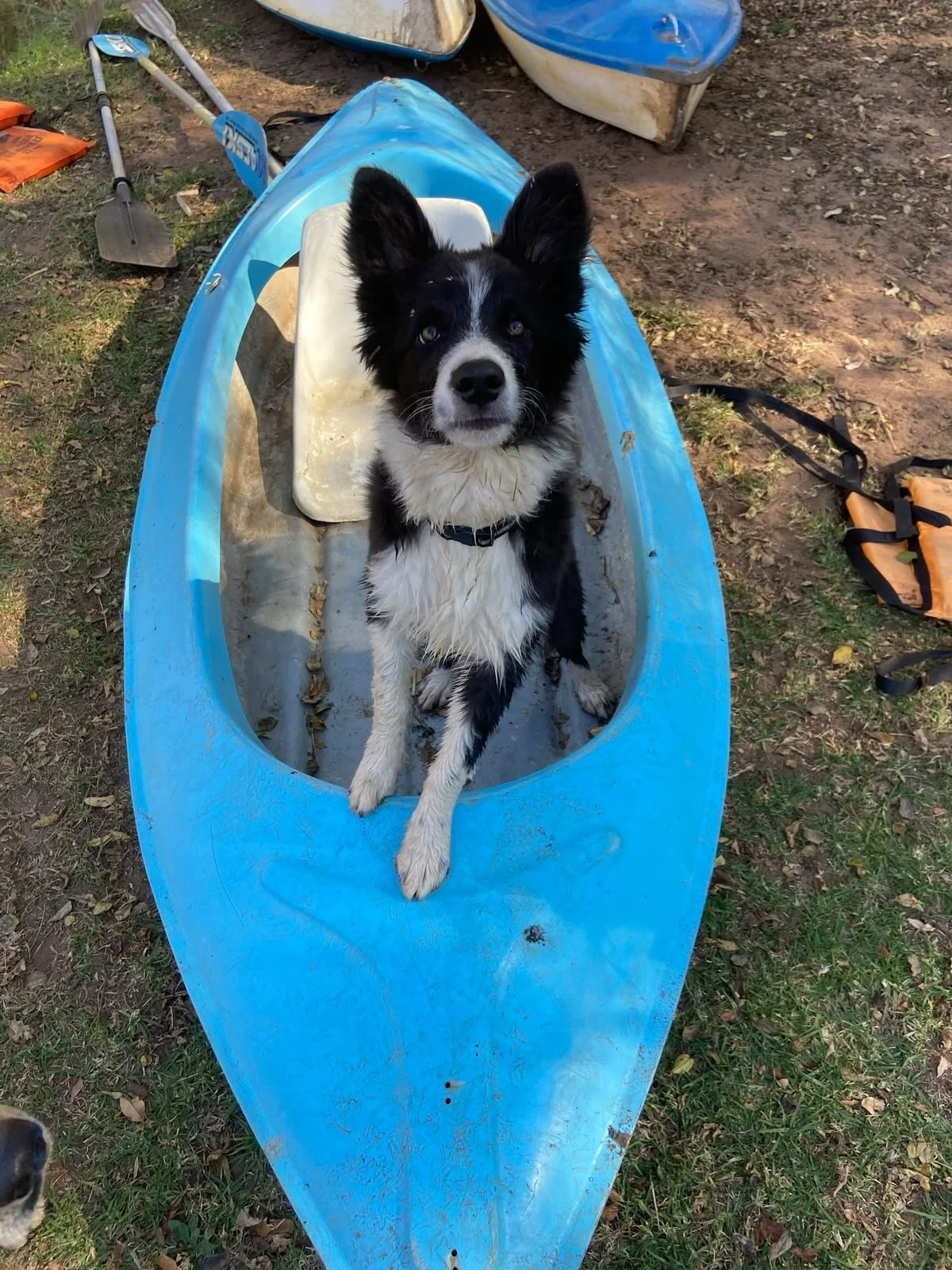
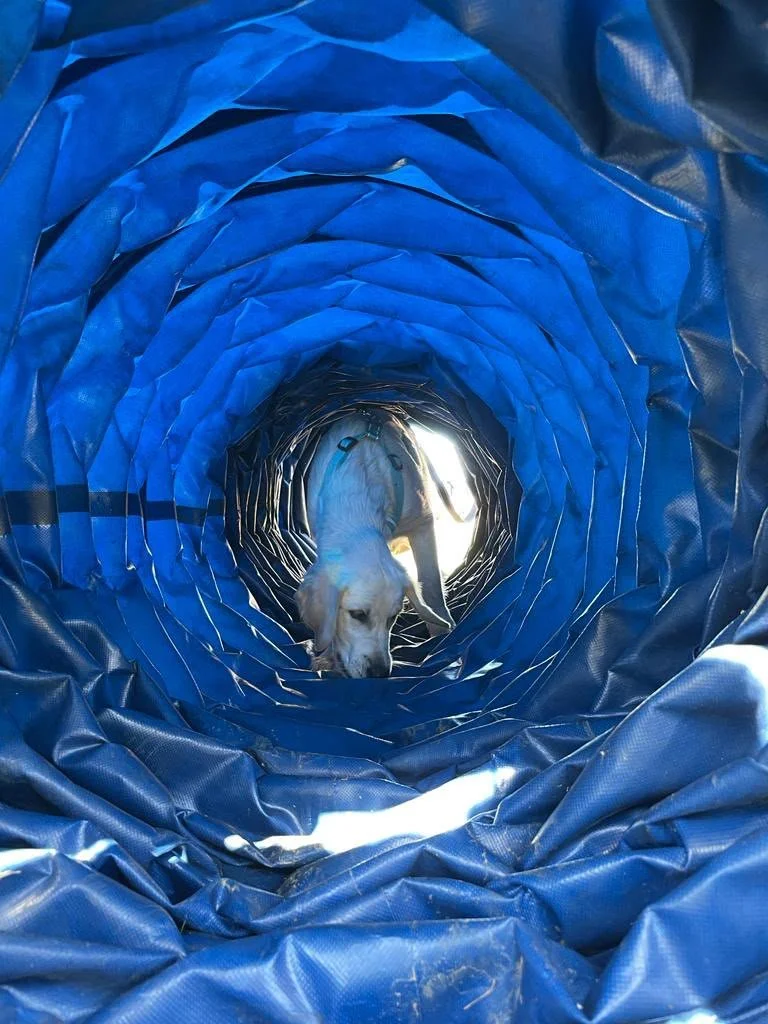
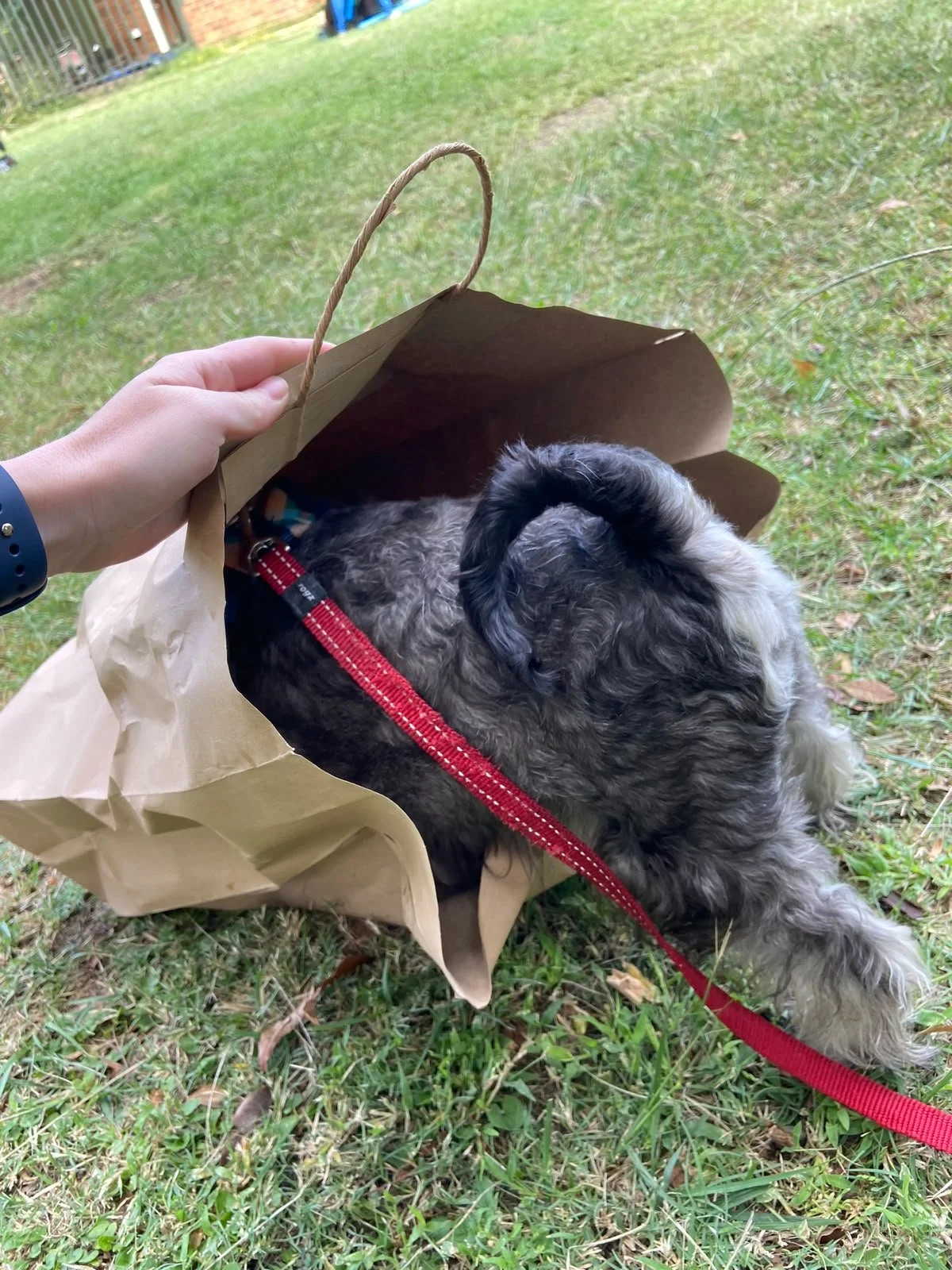
Try putting a towel, a rubber mat and an open cardboard box on the floor in a safe space. Sit nearby and see what your puppy does. They might sniff around the box, put one paw on the mat or decide the towel is a good place for a nap. You can let them work things out at their own pace. On another day, offer something different to see, hear, sniff or feel. Remember, these are baby brains. Keep sessions short, take plenty of breaks and quit while you’re ahead.
Puppies also come with different temperaments. Genetics and experience both play a part in how they respond to new things. One puppy might walk straight over to investigate while another takes a few sessions to get comfortable. Use your own puppy’s response to decide when they’re ready for the next step.
Make everyday care feel familiar
Think about the things your puppy will need to do as an adult and give them a small preview now.
Vet and groomer visits. Once your vet says it’s appropriate, ask if you can arrange a brief visit. Your puppy might take a treat, explore a little and head home. At the groomer, a short introduction can be a first step towards a full appointment.
Nail trims. Start with a brief touch to a paw, then release and reward. You can introduce the clippers separately. If your puppy pulls their paw away, pause and make the next step easier.
Car rides. Start with a short, easy trip and build in pleasant destinations, such as a visit to a familiar friend’s house.
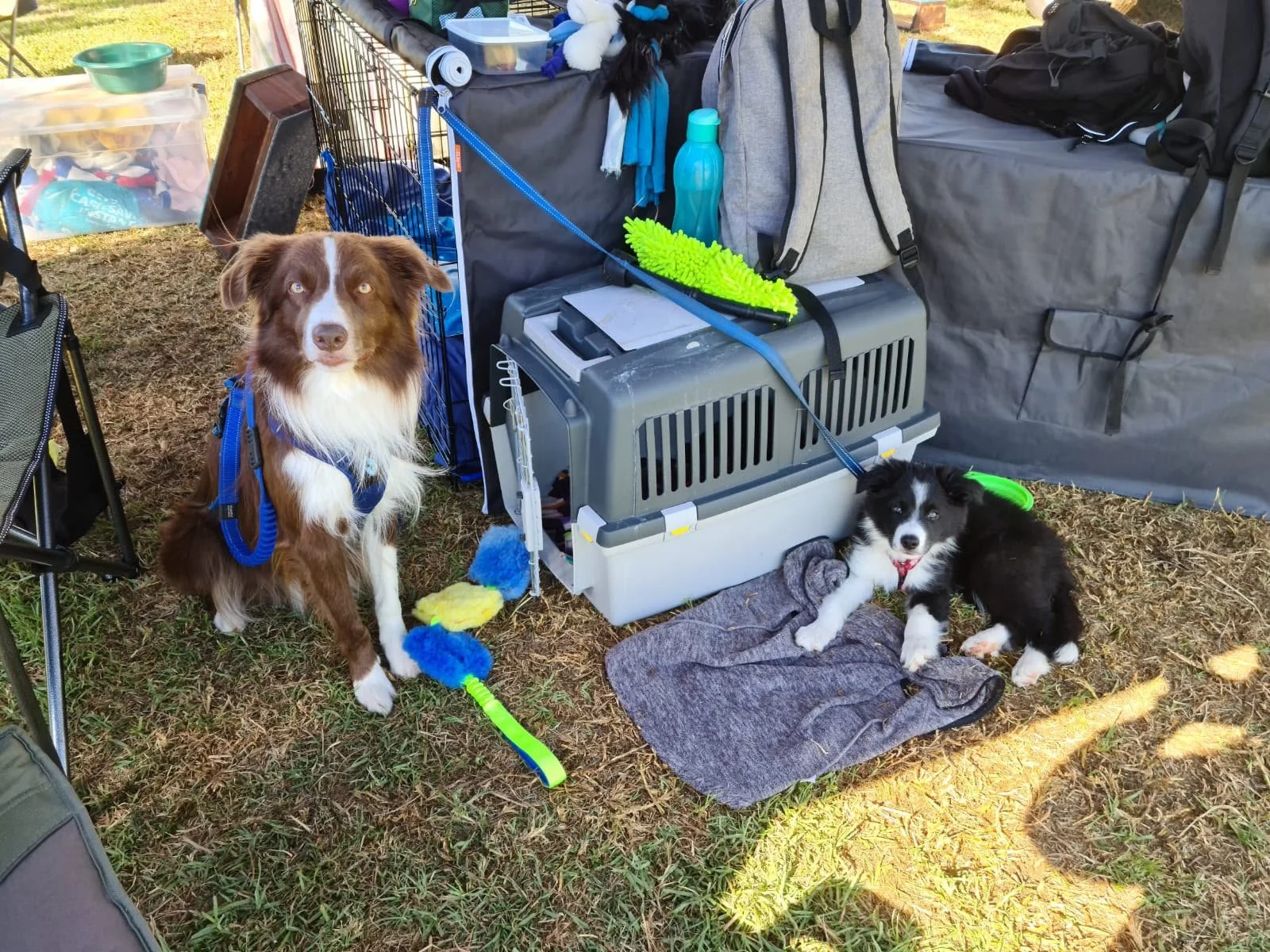
Crates and carriers. Let your puppy explore with the door open and reward them for going inside voluntarily. A familiar crate or carrier can make travel or an unexpected vet stay easier.
Can I socialise my puppy before they’ve finished their vaccinations?
Yes, you can start with carefully chosen experiences while your puppy is still getting vaccinated. The early socialisation window overlaps with the vaccination series. The World Small Animal Veterinary Association (WSAVA) recommends giving the final dose in the initial core series for parvovirus, distemper and adenovirus at 16 weeks of age or older, with vaccination continuing to 20 weeks in especially high-risk situations. Ask your vet what they’re seeing locally, including parvovirus cases, and when your puppy can use public ground or attend an in-person class.
Things you can start at home: Invite one calm visitor over, introduce different surfaces, practise brief paw handling, or sit near the window and watch the street together. Let your puppy choose whether to join in.
Outings to discuss with your vet: A short outing in your arms or a secure carrier lets your puppy see and hear things without walking on public ground. Your vet can also advise on meeting a known, healthy, vaccinated dog in a private space with a known history. Until your vet clears your puppy, avoid putting them down at dog parks, communal dog toilet areas and other places heavily used by dogs of unknown health or vaccination status.
What about in-person puppy classes? AVSAB’s general guidance allows for some puppies to start a well-managed class at seven to eight weeks, after at least one set of vaccines given at least seven days before class and an initial deworming. That’s general guidance. Your vet may advise different timing based on local disease risk, and the class may have its own entry requirements. Ask the organiser how they check vaccination records, clean the space and screen for illness. You can start the online Puppy School exercises at home while you work out what’s appropriate for your puppy.
Try this before your next lesson
Pick one thing your puppy is likely to encounter regularly. It could be the sound of the gate, someone wearing a hat or the feel of a towel under their feet. Set it up so your puppy can watch or explore and can move away easily. Afterwards, jot down what they did. Did they keep sniffing? Move closer? Need more space? Use that to decide what to do next time.